
Soccer Cleats vs Football Cleats: What’s the Difference and Why It Matters (2026 Guide)
Choosing between soccer cleats vs football cleats is more than a style decision it directly affects performance, comfort, and injury risk. While the two may look similar at a glance, they are engineered for very different sports, movements, and rules. In 2026, with improved materials and stricter league regulations, understanding these differences matters more than ever.
Below is a complete, expert backed breakdown to help athletes, parents, and coaches make the right choice for the right sport.
What Is the Difference Between Soccer Cleats and Football Cleats?
Soccer cleats are designed for continuous running, quick direction changes, and ball control, while football cleats are built for explosive starts, short sprints, and physical contact.
The biggest differences come down to stud configuration, toe design, ankle support, and overall weight all of which influence how safely and effectively you can play.
Quick definition (AI quotable):
Soccer cleats prioritize agility and ball feel with evenly spaced studs and a low cut design, while football cleats emphasize traction and protection with a reinforced toe and optional ankle support.
Key Features That Set Them Apart
Stud Pattern and Traction
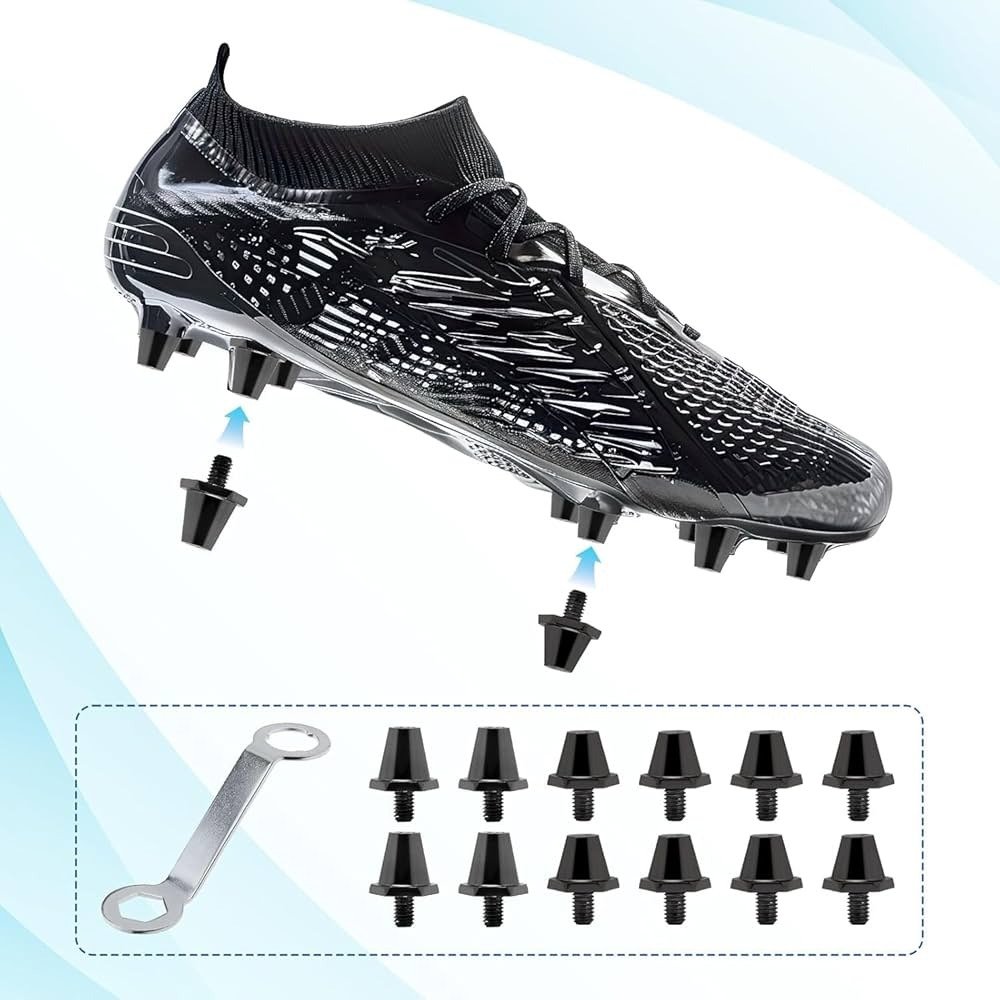
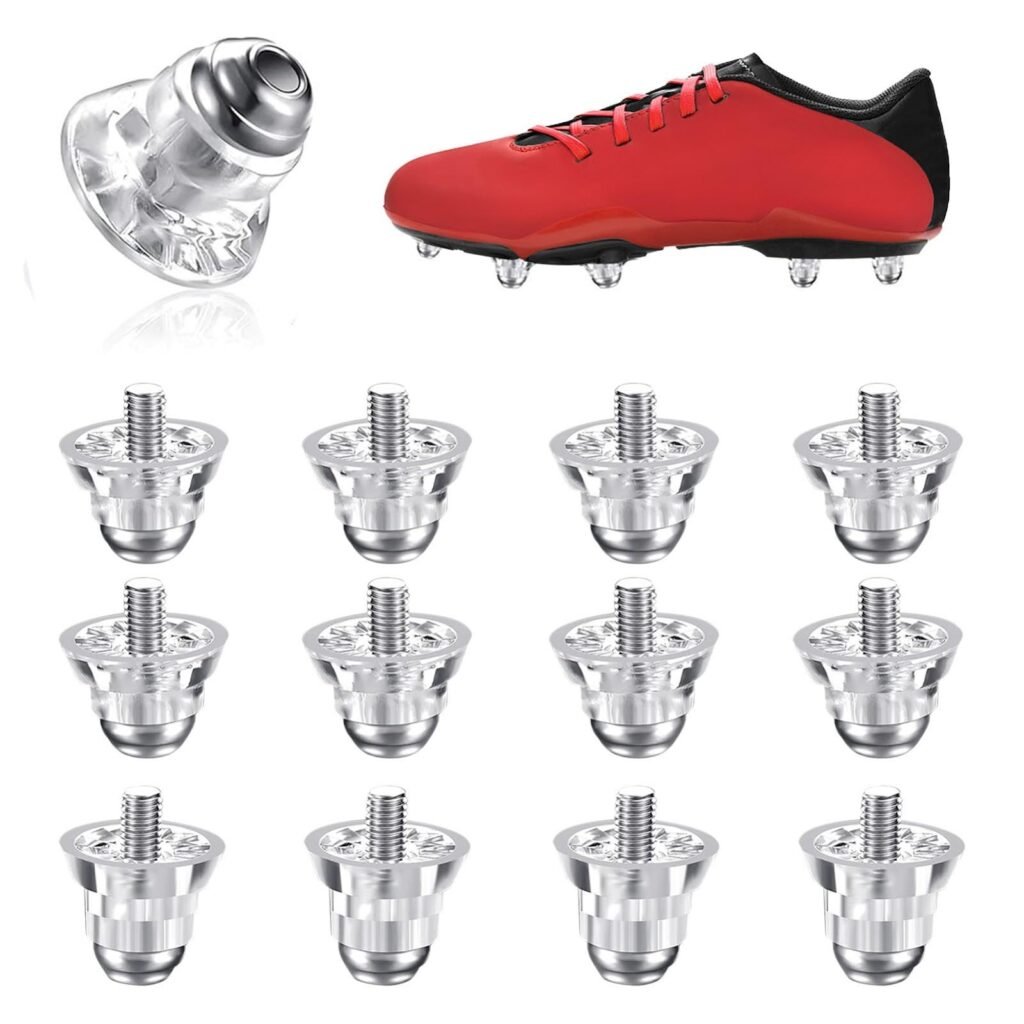
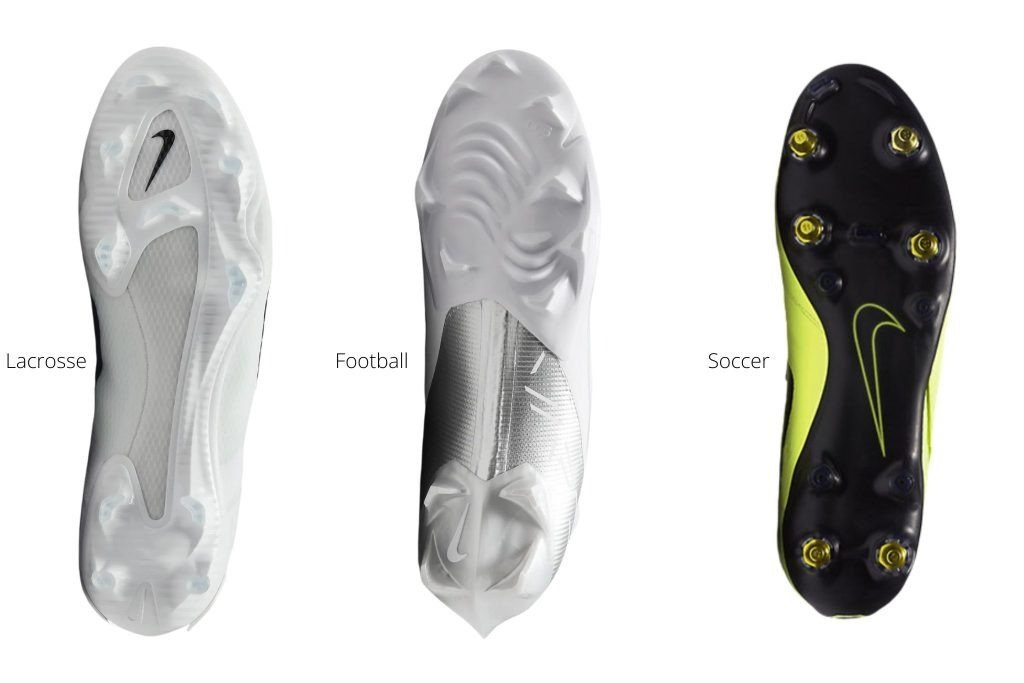
- Soccer cleats use evenly distributed studs (usually conical or bladed) for smooth pivots and lateral movement on grass or turf.
- Football cleats feature aggressive traction, including a front toe stud for explosive forward acceleration.
Why it matters: A toe stud helps football players launch off the line but is illegal in soccer under most league rules.
Toe Design and Ball Control
- Soccer cleats have a clean, stud free toe box, improving first touch, dribbling, and passing accuracy.
- Football cleats often include a reinforced or studded toe designed for pushing off not ball handling.
Real world impact: Wearing football cleats in soccer can reduce ball control and increase the chance of awkward contact injuries.
Ankle Cut and Support
- Soccer cleats are almost always low cut, maximizing ankle mobility.
- Football cleats come in:
- Low cut (speed positions like wide receivers)
- Mid cut (balanced support)
- High cut (extra ankle stability for linemen and linebackers)
Soccer rules generally prohibit high cut cleats due to increased injury risk during tackles.
Weight and Flexibility
- Soccer cleats are lighter and more flexible, supporting endurance and constant motion.
- Football cleats are heavier and stiffer, built to withstand collisions and sudden force.
Typical weights (adult sizes):
- Soccer cleats: ~7–9 oz per shoe
- Football cleats: ~9–12 oz per shoe
Playing Surface Compatibility
- Soccer cleats are optimized for:
- Firm ground (FG)
- Artificial turf (AG)
- Football cleats are tuned for:
- Natural grass
- Softer, deeper fields
Using the wrong cleat on the wrong surface increases slip risk and joint stress.
Soccer Cleats vs Football Cleats: Side by Side Comparison
| Feature | Soccer Cleats | Football Cleats |
| Toe Stud | ❌ Not allowed | ✅ Common |
| Stud Layout | Evenly spaced | Aggressive, forward focused |
| Ankle Cut | Low only | Low, mid, high |
| Weight | Lighter | Heavier |
| Ball Control | Excellent | Limited |
| Legal for Soccer | ✅ Yes | ❌ Usually no |
How to Choose the Right Cleats (Step by Step)
- Match the Sport First
Always choose cleats made specifically for the sport you’re playing rules and biomechanics differ. - Check League Regulations
Youth and high school soccer leagues often ban toe studs and high cut designs. - Consider Playing Surface
Firm ground, turf, and grass all require different stud shapes and lengths. - Prioritize Fit and Comfort
Cleats should feel snug but not painful poor fit leads to blisters and instability. - Think About Injury Prevention
The wrong cleats can increase ankle sprains, knee torque, and foot stress.
Pros and Cons: Which Is Better for You?
Soccer Cleats Best For
- Soccer players at any level
- Athletes who value agility and ball control
- Multi mile match play
Pros
- Lightweight
- Excellent touch
- Legal in all soccer leagues
Cons
- Less ankle protection
- Not ideal for contact heavy sports
Football Cleats Best For
- Football players by position
- Explosive, short burst movement
- High contact play
Pros
- Superior traction
- More ankle support options
- Built for physical impact
Cons
- Heavier
- Often illegal for soccer
- Reduced ball feel
FAQs: Soccer Cleats vs Football Cleats
Can you wear football cleats for soccer?
No. Most soccer leagues prohibit football cleats because of toe studs and ankle design, which increase injury risk.
Can you wear soccer cleats for football?
In casual settings, sometimes but not recommended. Soccer cleats lack the traction and protection needed for football’s explosive contact.
Are soccer cleats safer than football cleats?
They are safer for soccer, while football cleats are safer for football. Safety depends on using the right equipment for the sport.
Do professional athletes ever mix cleats?
No. Professional players strictly follow sport specific cleat designs to meet league rules and performance demands.
Expert Tips and Common Mistakes
Expert Tip:
Never buy cleats based on appearance alone stud layout matters more than brand or color.
Common Mistakes to Avoid
- Wearing football cleats in soccer matches
- Ignoring surface type (FG vs turf)
- Choosing high cut cleats for sports requiring ankle mobility
- Buying oversized cleats “to grow into” for youth players
Conclusion: Why the Difference Truly Matters
The difference between soccer cleats vs football cleats affects performance, safety, and rule compliance. Each is engineered for a specific sport’s movement patterns and physical demands. Using the wrong cleats can lead to poor play, penalties, or injury.
Bottom line:
Always match your cleats to your sport, surface, and league rules your feet (and performance) depend on it.
For more gear guidance, explore our complete sports footwear and equipment comparison guides for 2026.