

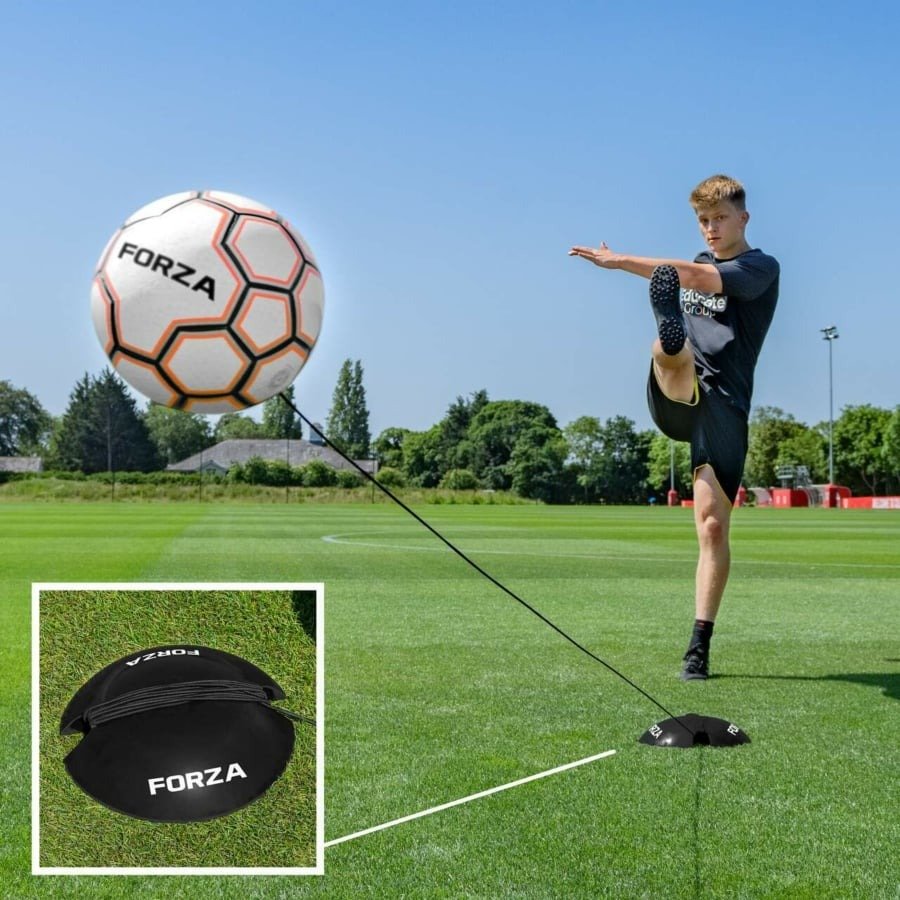

Match vs Training Soccer Balls: What’s the Difference and Why It Matters? (2026 Guide)
Choosing between match soccer balls and training soccer balls is more than a price decision it directly affects performance, durability, and skill development. In 2026, modern materials and stricter standards mean the differences are clearer than ever. Understanding how each ball is built and used helps players, coaches, and parents make smarter gear choices.
What Is the Difference Between Match and Training Soccer Balls?
A match soccer ball is designed for competitive play, offering elite touch, precision flight, and strict size and weight tolerances. A training soccer ball, by contrast, is built for durability and repeated use, prioritizing longevity and value over tournament level feel.
In short:
- Match balls = performance first (used in games)
- Training balls = durability first (used in practice)
Both are regulation size, but their construction, materials, and cost reflect very different purposes.
Key Features That Set Them Apart
Construction & Materials
- Match balls typically use hand stitched or thermally bonded panels with premium polyurethane (PU) covers. This creates a seamless surface for consistent touch and predictable flight.
- Training balls often use machine stitching and tougher outer layers (PU or TPU) designed to withstand hundreds of practice sessions.
Why it matters: Better materials improve control and accuracy, while tougher builds survive daily wear.
Touch & Feel
- Match balls feel softer and more responsive off the foot, which helps with first touch, passing weight, and shooting accuracy.
- Training balls feel slightly firmer, especially after extended use, which is fine for drills but less ideal for match realism.
Key takeaway: Training with a firmer ball builds strength, but playing matches with one can reduce finesse.
Weight Consistency & Flight
- Match balls must meet strict tolerances set by governing bodies like FIFA. They maintain consistent weight and shape, even in wet conditions.
- Training balls allow for small variations that don’t affect practice but can change long ball accuracy.
Durability & Longevity
- Training balls are built to last thicker covers, reinforced stitching, and abrasion resistance.
- Match balls sacrifice some durability for performance and should not be used daily on rough surfaces.
Rule of thumb: Never use your match ball for daily drills.
Price Range (2026)
- Match soccer balls: $120–$180
- Training soccer balls: $25–$60
Higher cost reflects advanced construction, not brand hype.
How to Choose the Right Soccer Ball (Step by Step)
- Define the use case
- Competitive games → Match ball
- Daily practice → Training ball
- Check certification
- Look for FIFA Quality Pro for matches.
- Training balls may lack certification and that’s okay for practice.
- Consider age and level
- Youth and beginners benefit more from durable training balls.
- Advanced players need match level touch to refine technique.
- Match the surface
- Grass/turf training = training ball
- Game day grass = match ball only
- Set a rotation strategy
- Keep 1 match ball pristine.
- Use multiple training balls for drills.
Match vs Training Soccer Balls: Side by Side Comparison
| Feature | Match Soccer Ball | Training Soccer Ball |
| Primary Use | Competitive games | Practice & drills |
| Construction | Hand stitched / Thermally bonded | Machine stitched |
| Touch & Control | Elite, soft, responsive | Firmer, less refined |
| Durability | Moderate | High |
| Certification | FIFA Quality Pro | Optional |
| Typical Price | $120–$180 | $25–$60 |
| Best For | League & tournament play | Daily training sessions |
Popular Examples by Category


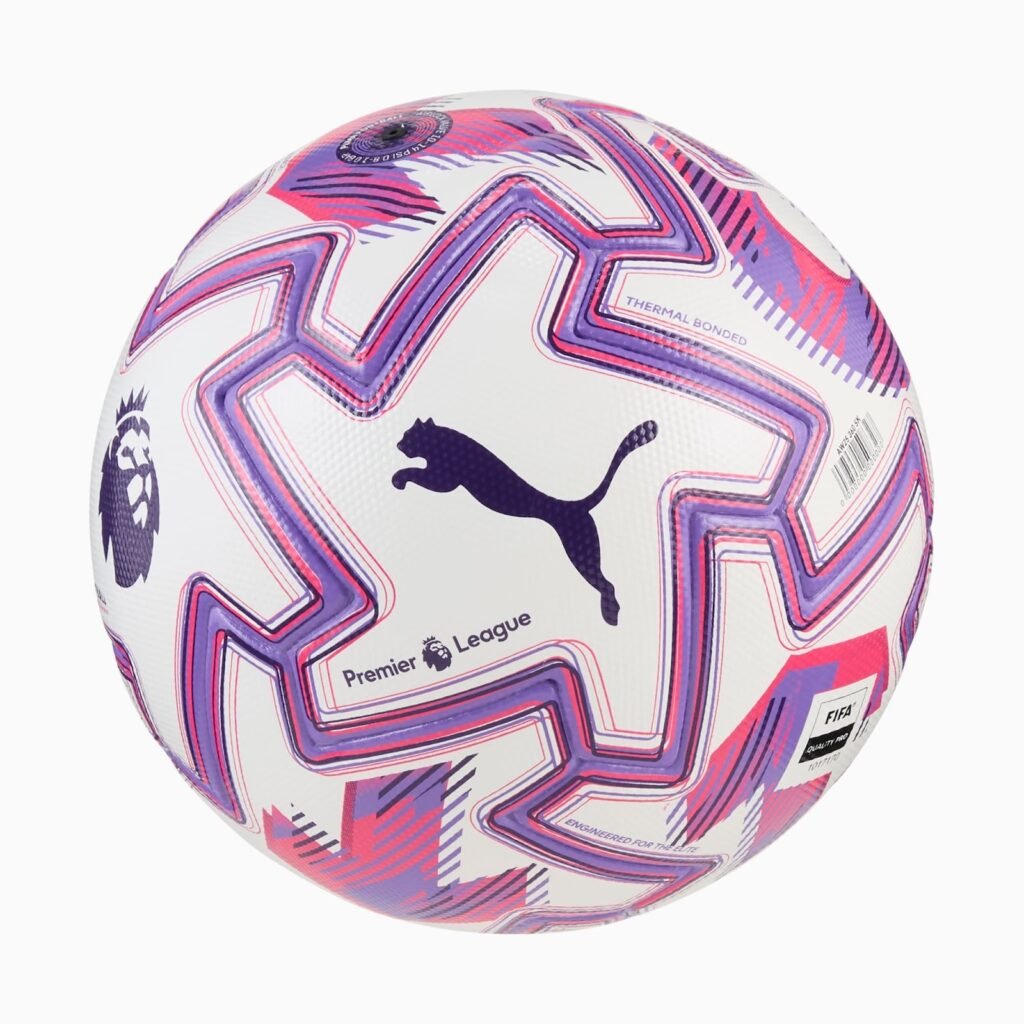
- Match balls: Models from Adidas, Nike, and Puma featuring thermally bonded panels and elite bladder systems.
- Training balls: Durable lines from the same brands, optimized for value and high volume use.
FAQs: Match vs Training Soccer Balls
Are match soccer balls required for league games?
Most competitive leagues require FIFA certified match balls. Always check league rules before purchasing.
Can I train with a match ball?
You can, but it’s not recommended. Daily training will shorten a match ball’s lifespan and reduce its game day performance.
Do professional players train with match balls?
Usually no. Pros train with training balls and switch to match balls only for tactical sessions or games.
Will a training ball hurt my skill development?
No. In fact, slightly firmer balls can improve touch strength and passing accuracy. Just don’t use them in official matches.
Why do match balls feel lighter?
They aren’t lighter they’re more balanced, which creates smoother flight and better control.
Expert Tips & Common Mistakes
✔ Tip #1: Always inflate to the manufacturer’s PSI overinflation ruins touch.
✔ Tip #2: Store match balls at room temperature to preserve panel bonding.
✔ Tip #3: Rotate multiple training balls to extend lifespan.
Common Mistake: Using a match ball on concrete or turf daily. This can destroy a $150 ball in weeks.
Conclusion
The difference between match and training soccer balls comes down to performance vs durability. Match balls deliver elite control and precision for competition, while training balls are built to survive the grind of everyday practice. The smartest approach in 2026 is simple: own both, use each for its purpose, and your performance and budget will benefit.
Related reading: Complete Soccer Gear Checklist for Training & Match Day