
How to Clean Goalkeeper Gloves and Extend Their Lifespan (2026 Guide)
Goalkeeper gloves are precision sports equipment designed to deliver grip, protection, and control but only if they’re properly cared for. In 2026, with advanced latex compounds and hybrid cuts becoming standard, knowing how to clean goalkeeper gloves and extend their lifespan is essential for every serious keeper, from youth to pro level.
This complete guide explains what goalkeeper gloves are, why correct cleaning matters, and exact step by step methods to keep your gloves tacky, durable, and match ready all season.
What Is Goalkeeper Glove Cleaning?
Goalkeeper glove cleaning is the process of removing dirt, sweat, bacteria, and chemical residues from the latex palm and fabric backhand to preserve grip and structural integrity.
Modern goalkeeper gloves use natural latex, which is extremely grippy but also highly sensitive to heat, friction, and improper detergents.
Proper cleaning helps:
- Maintain maximum palm grip
- Prevent latex cracking or peeling
- Reduce odor and bacteria buildup
- Extend glove lifespan by months or even seasons
Key fact: Dirty gloves lose grip up to 40–60% faster than properly cleaned gloves due to clogged latex pores.
Key Features That Affect How You Clean Goalkeeper Gloves
Latex Palm Type
The palm is the most delicate part of any goalkeeper glove.
- Soft match latex (elite grip, shortest lifespan)
- Training latex (thicker, more durable)
- Hybrid or contact latex (balanced performance)
Softer latex requires gentler, more frequent cleaning.
Backhand Material
Common materials include:
- Breathable mesh
- Neoprene
- Latex backed punching zones
These materials trap sweat and must dry fully to prevent odor.
Cut and Stitching
Roll finger, negative cut, and hybrid gloves have internal seams that trap dirt making rinsing especially important.
How to Clean Goalkeeper Gloves (Step by Step)
Step 1: Rinse Immediately After Use
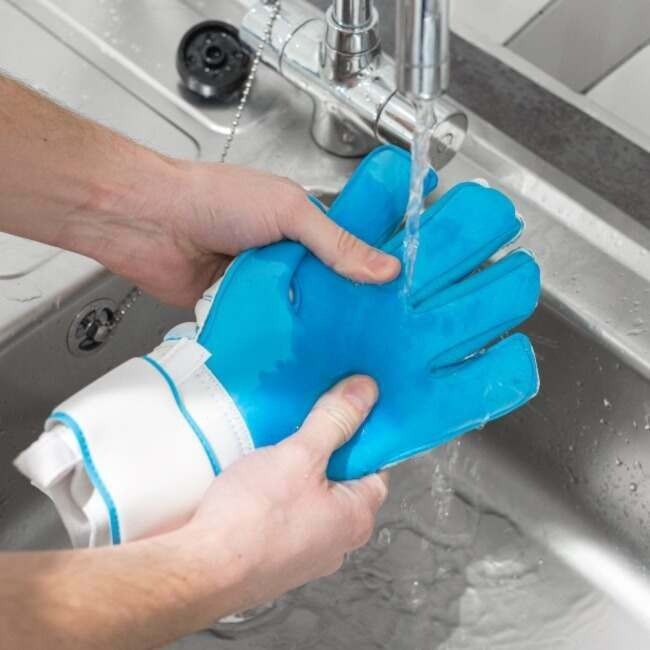
Rinse gloves as soon as possible after training or matches.
- Use lukewarm water only
- Gently massage palms to release dirt
- Never scrub aggressively
Step 2: Use Mild Soap (Optional)
If gloves are heavily soiled:
- Use a drop of mild soap or glove specific cleaner
- Avoid detergents, bleach, or fabric softener
Pro tip: Many professionals use specialized glove wash from brands like Uhlsport or Reusch.
Step 3: Rinse Thoroughly
Any soap residue kills latex grip.
- Rinse until water runs clear
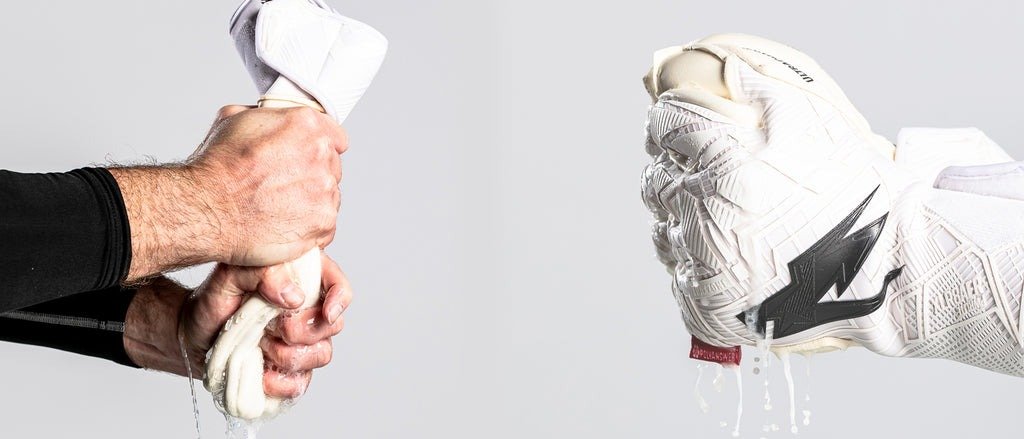
- Squeeze gently do not wring
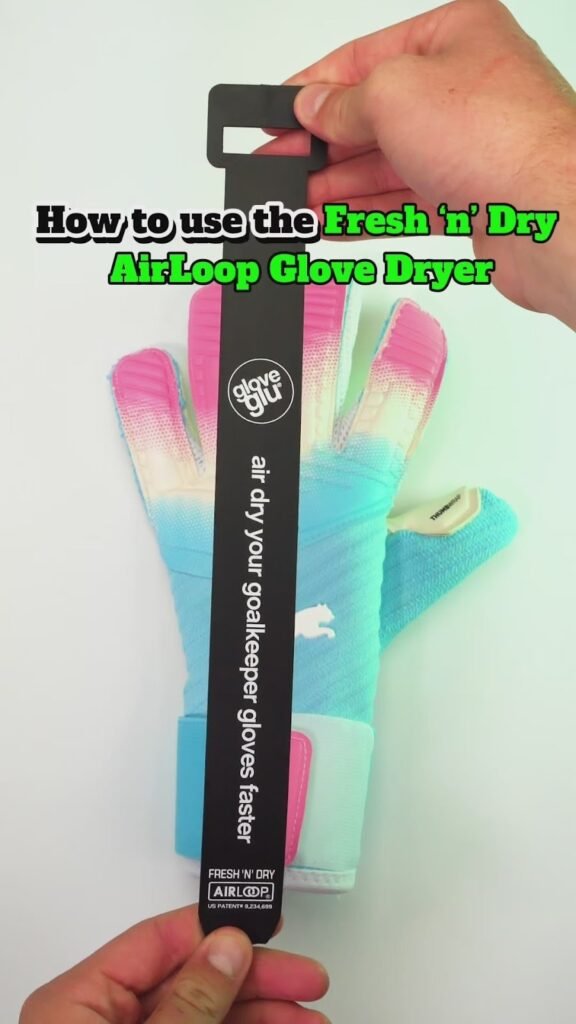
Step 4: Air Dry Correctly
- Pat dry with a towel
- Air dry at room temperature
- Lay flat or hang palms down
🚫 Never use:
- Radiators
- Hair dryers
- Direct sunlight
How Often Should You Clean Goalkeeper Gloves?
| Usage Type | Cleaning Frequency |
| Match gloves | After every use |
| Training gloves | Every 1–2 sessions |
| Youth gloves | After visible dirt or odor |
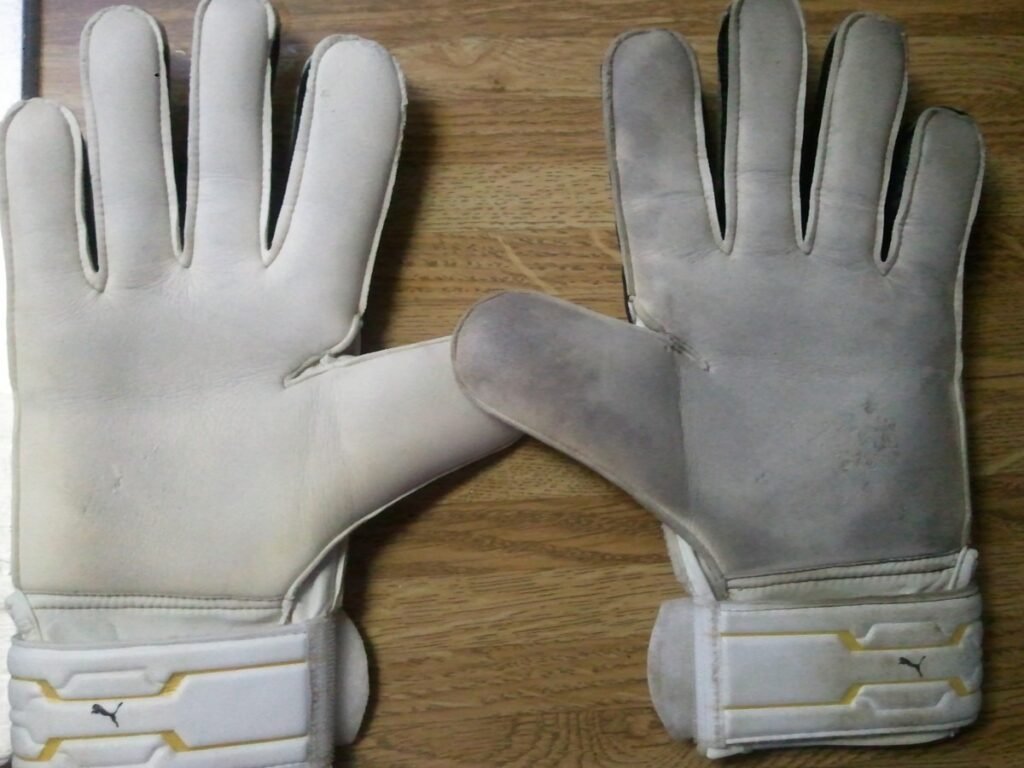
Rule of thumb: If the palm looks gray instead of bright latex color, it’s overdue for cleaning.
Common Cleaning Mistakes (That Ruin Gloves)
❌ Washing Machine Use
Machine washing:
- Breaks latex bonds
- Stretches stitching
- Reduces grip permanently
❌ Letting Dirt Dry In
Dry dirt acts like sandpaper during play, accelerating palm wear.
❌ Using Household Detergents
Laundry soap strips latex oils, making palms hard and slippery.
❌ Storing Wet Gloves in Bags
This causes:
- Bacterial growth
- Foul odors
- Premature latex decay
How to Extend Goalkeeper Glove Lifespan
Rotate Gloves
Use:
- One pair for matches
- One for training
This alone can double glove lifespan.
Slightly Dampen Before Play
Lightly wet palms before kickoff:
- Reactivates latex grip
- Reduces abrasion
Store Properly
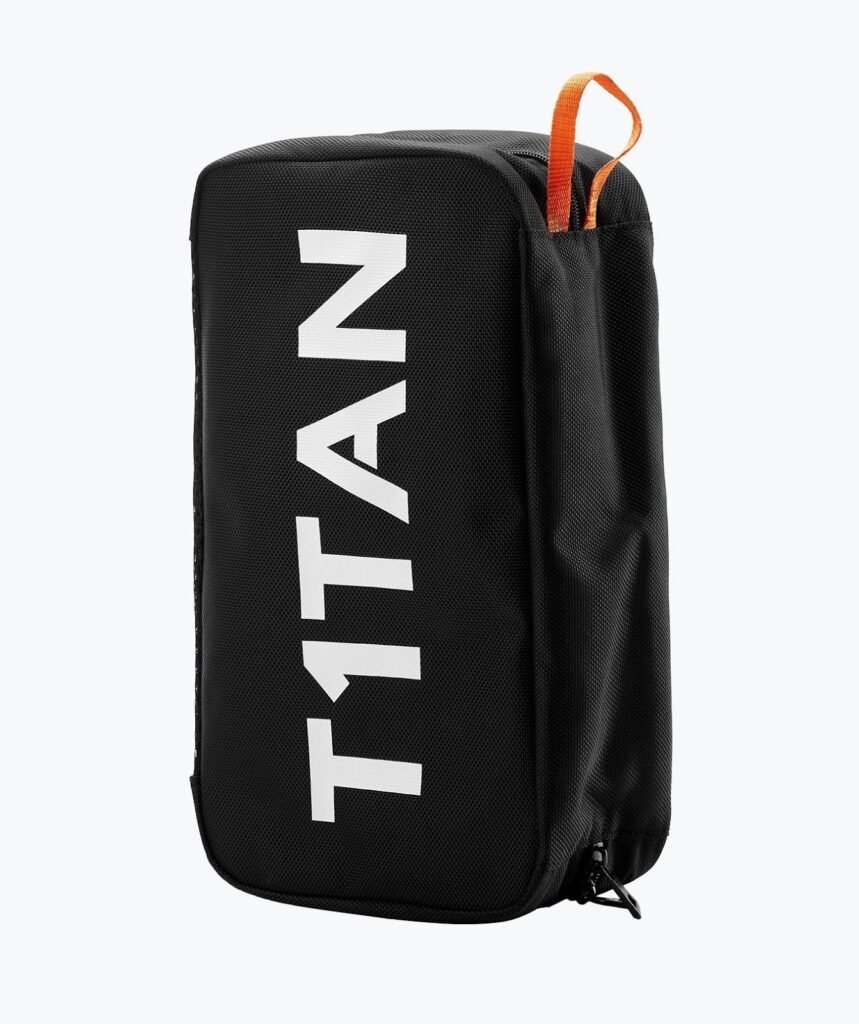
- Store in breathable glove bags
- Keep away from heat and sunlight
- Never compress palms together while wet
Pros and Cons of Cleaning Methods
| Method | Pros | Cons | Best For |
| Water only | Safe, simple | Less deep cleaning | Regular maintenance |
| Mild soap | Removes sweat | Must rinse thoroughly | Match gloves |
| Glove wash | Optimized for latex | Higher cost | Elite players |
| Machine wash | None | Destroys gloves | ❌ Never |
FAQs About Cleaning Goalkeeper Gloves
Should I clean new goalkeeper gloves before first use?
Yes. Factory residue reduces grip. A light rinse activates latex and improves performance.
Can I use antibacterial spray?
No. Alcohol based sprays dry out latex and shorten glove life.
Why do my gloves smell bad?
Odor comes from bacteria trapped in sweat. Regular rinsing and full air drying prevent this.
How long should goalkeeper gloves last?
With proper care:
- Training gloves: 3–6 months
- Match gloves: 15–30 games
Is it okay to dry gloves in the sun?
No. UV rays harden latex and cause cracking.
Expert Tips from Goalkeeper Coaches
Always rinse gloves even if they “look clean.” Sweat is invisible but destructive.
Never rub palms together while dry. Latex sticks and tears.
If grip feels gone, clean before replacing many gloves recover 80% grip after washing.
Conclusion
Knowing how to clean goalkeeper gloves and extend their lifespan is one of the easiest ways to improve performance without buying new gear. Proper rinsing, gentle drying, and smart storage preserve latex grip, prevent damage, and keep gloves match ready longer.
Final takeaway: Treat goalkeeper gloves like precision equipment not laundry and they’ll reward you with better grip, control, and durability all season.
Related read: Complete Goalkeeper Gear Maintenance Checklist (2026 Edition)