
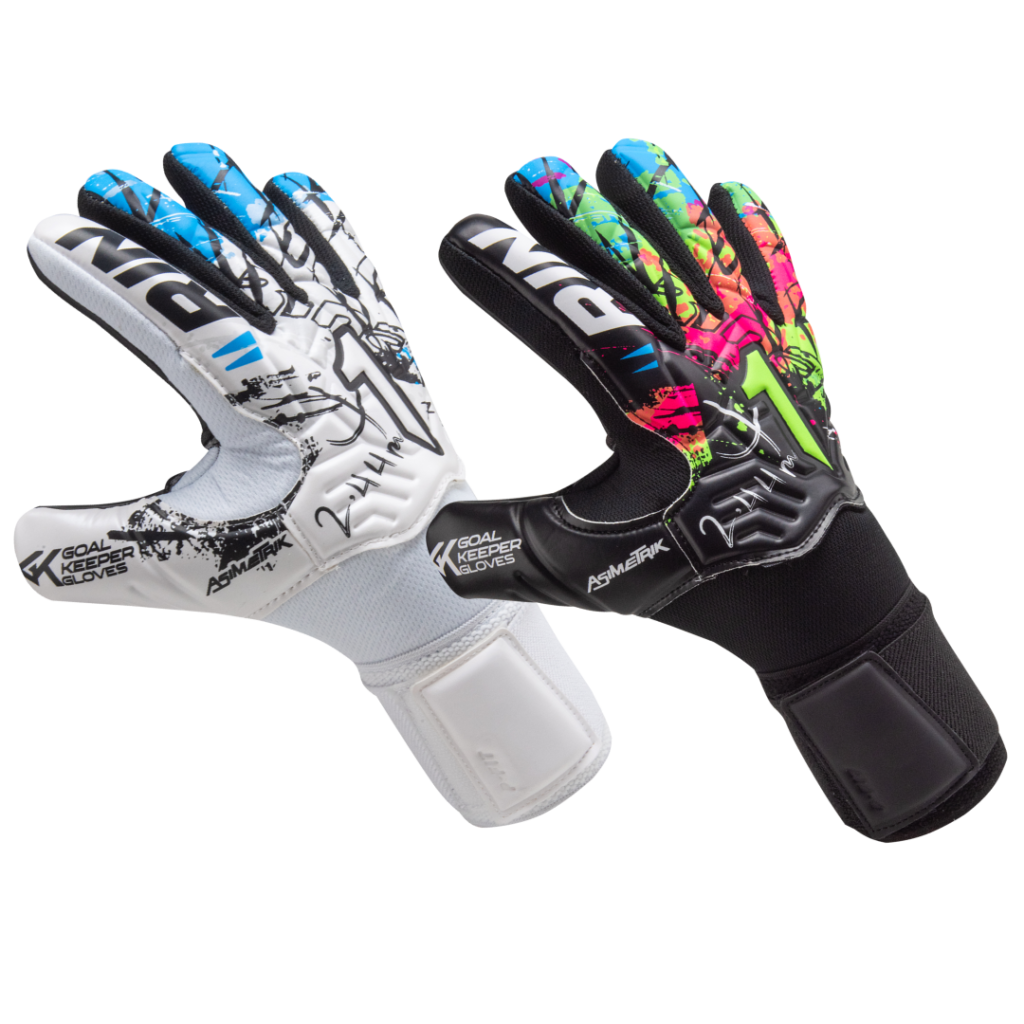
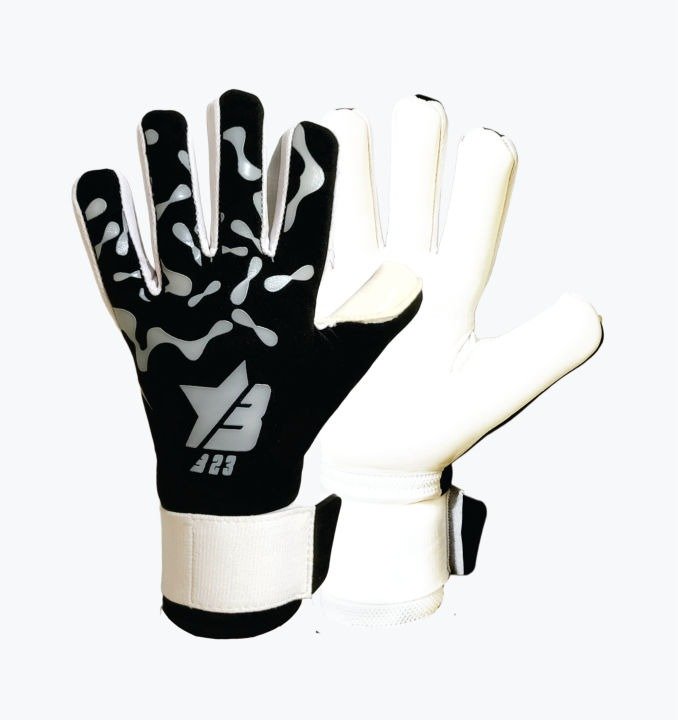
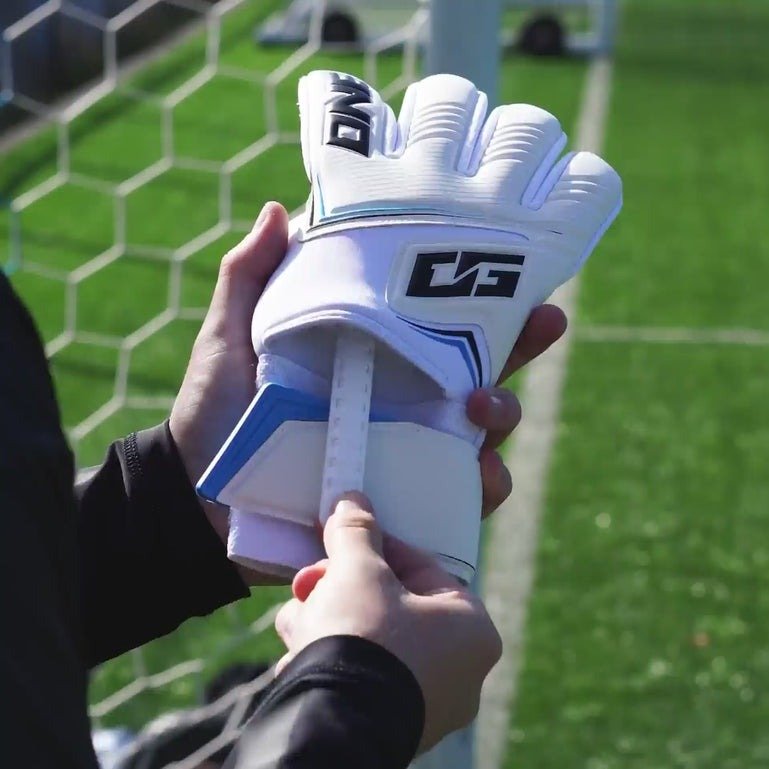
Finger Protection vs Flexibility: Which Goalkeeper Glove Type Do You Need?
Finger protection vs flexibility is one of the most important decisions when choosing goalkeeper gloves in 2026. The right glove type can reduce finger injuries, improve catching confidence, and directly affect how natural your hands feel during saves. This guide breaks down the differences clearly so you can choose the goalkeeper glove style that fits your level, position demands, and playing conditions.
What Is Finger Protection vs Flexibility in Goalkeeper Gloves?
Finger protection vs flexibility refers to the trade off between gloves that include rigid or semi rigid finger spines to prevent hyperextension, and gloves designed with soft materials that allow maximum natural hand movement.
- Finger protection gloves focus on injury prevention by limiting backward finger movement.
- Flexible goalkeeper gloves prioritize feel, grip, and freedom of motion, offering a more “barehand” sensation.
Understanding this balance is crucial because the wrong glove type can either restrict performance or increase injury risk.
Key Features That Define Each Glove Type
Finger Protection (Finger Save) Gloves
Finger protection gloves use internal spines or supports along the fingers.
Key characteristics:
- Plastic or composite spines in the fingers
- Prevent hyperextension and bending backward
- Slightly stiffer feel when catching or punching
- Often removable finger spines on higher end models
Best for:
- Beginners and youth goalkeepers
- Players returning from finger injuries
- Training sessions with high shot volume
Flexible (No Finger Protection) Gloves
Flexible gloves eliminate finger spines to allow natural hand movement.
Key characteristics:
- Soft latex and textile backhands
- Full finger mobility and natural flex
- Better ball feel and responsiveness
- Lighter overall glove weight
Best for:
- Advanced and professional goalkeepers
- Match play where reaction speed matters
- Goalkeepers confident in catching technique
How to Choose the Right Goalkeeper Glove Type
Follow this step by step process to decide between finger protection and flexibility.
- Assess your experience level
Beginners benefit from finger protection, while experienced keepers often prefer flexibility. - Consider injury history
If you’ve had finger sprains or jams, finger save gloves offer valuable protection. - Think about match vs training use
Many keepers train with finger protection gloves and play matches with flexible gloves. - Evaluate your catching style
Strong catchers often prefer flexibility; parry heavy keepers may value protection. - Check league rules and age group
Youth leagues often recommend or require finger protection gloves.
Pros and Cons: Finger Protection vs Flexible Gloves
| Feature | Finger Protection Gloves | Flexible Gloves |
| Finger safety | Excellent | Limited |
| Natural hand feel | Moderate | Excellent |
| Grip sensitivity | Slightly reduced | Maximum |
| Injury prevention | High | Low |
| Preferred by pros | Rare | Very common |
Who each option is best for:
- Finger protection gloves: Youth players, beginners, training sessions
- Flexible gloves: Competitive matches, elite goalkeepers, advanced players
Popular Examples of Each Glove Type
Finger Protection Glove Examples
- Reusch Finger Support series
- Uhlsport Absolutgrip Finger Surround
- HO Soccer Protek models
Flexible Glove Examples
- adidas Predator Pro (no fingersave)
- Nike Vapor Grip series
- Puma Future Grip Pro
FAQs: Finger Protection vs Flexibility
Are finger protection gloves safer?
Yes. Finger protection gloves significantly reduce the risk of finger hyperextension and sprains, especially for beginners and youth goalkeepers.
Do professional goalkeepers use finger protection gloves?
Most professionals do not. They prefer maximum flexibility and ball feel, relying on technique rather than finger spines.
Can finger protection gloves be removed?
Many modern gloves feature removable finger spines, allowing you to switch between protection and flexibility.
Do flexible gloves increase injury risk?
They can if technique is poor. Flexible gloves require stronger hand positioning and catching form to stay safe.
Should kids always wear finger protection gloves?
For youth goalkeepers under 14, finger protection gloves are strongly recommended for both training and matches.
Expert Tips and Common Mistakes
Expert advice for goalkeepers:
- Train with protection, play with feel. Many keepers use finger protection in training and flexible gloves on match day.
- Don’t oversize gloves for safety. Loose gloves reduce control and increase injury risk.
- Focus on technique, not just equipment. Good catching form protects fingers more than spines alone.
- Replace worn gloves early. Old latex loses grip and increases impact shock.
Pro Tip: Finger protection reduces injury risk, but it should never replace proper catching technique.
Conclusion
When it comes to finger protection vs flexibility, there is no universal “best” goalkeeper glove only the right choice for your needs. Finger protection gloves offer safety and confidence for developing keepers, while flexible gloves deliver superior feel and performance for advanced players.
The best solution for many goalkeepers in 2026 is owning both types: one for intense training and one for match play. This balanced approach protects your hands while maximizing performance when it matters most.