
Best Soccer Cleats for Youth Players: Top Picks for Kids in 2026
Choosing the best soccer cleats for youth players in 2026 is about balancing comfort, safety, durability, and value. Kids’ feet are still developing, so the right cleats can improve performance while reducing the risk of blisters or overuse injuries. This guide covers what to look for, compares top options, and highlights trusted picks for young players across surfaces and skill levels.
What Is a Youth Soccer Cleat?
A youth soccer cleat is a lightweight, supportive shoe designed specifically for children and early teens, typically sizes US 10C–6Y. Compared to adult models, youth cleats prioritize softer uppers, easier entry, and stud layouts tuned for lighter body weight.
In short: youth cleats aim to deliver traction and ball control without overloading growing feet.
Key attributes
- Lighter construction to reduce fatigue
- Flexible uppers for comfort and touch
- Stud patterns matched to common youth fields (grass or turf)
Key Features to Look For in 2026
Fit and Comfort (Non Negotiable)
A proper fit prevents blisters and keeps kids confident on the ball. Youth cleats should feel snug, not tight, with about a thumb’s width of space at the toe.
- Soft linings reduce hot spots
- Padded heel counters improve lockdown
Upper Material
Most kids benefit from synthetic uppers they’re lighter, durable, and weather resistant.
- Synthetic leather: easy care, consistent touch
- Textured synthetics: better grip for passing and shooting
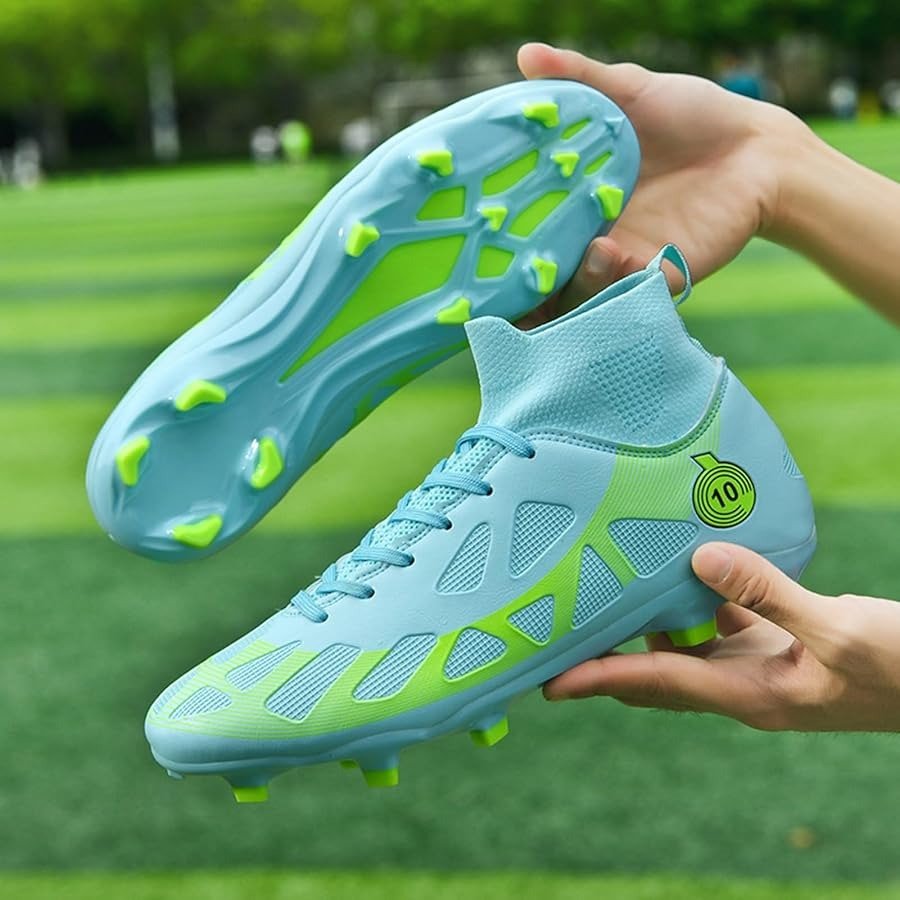
Stud Type (Match the Surface)
Studs should match where your child plays most often.
- FG (Firm Ground): natural grass (most common)
- AG (Artificial Grass): rubberized or shorter studs for turf
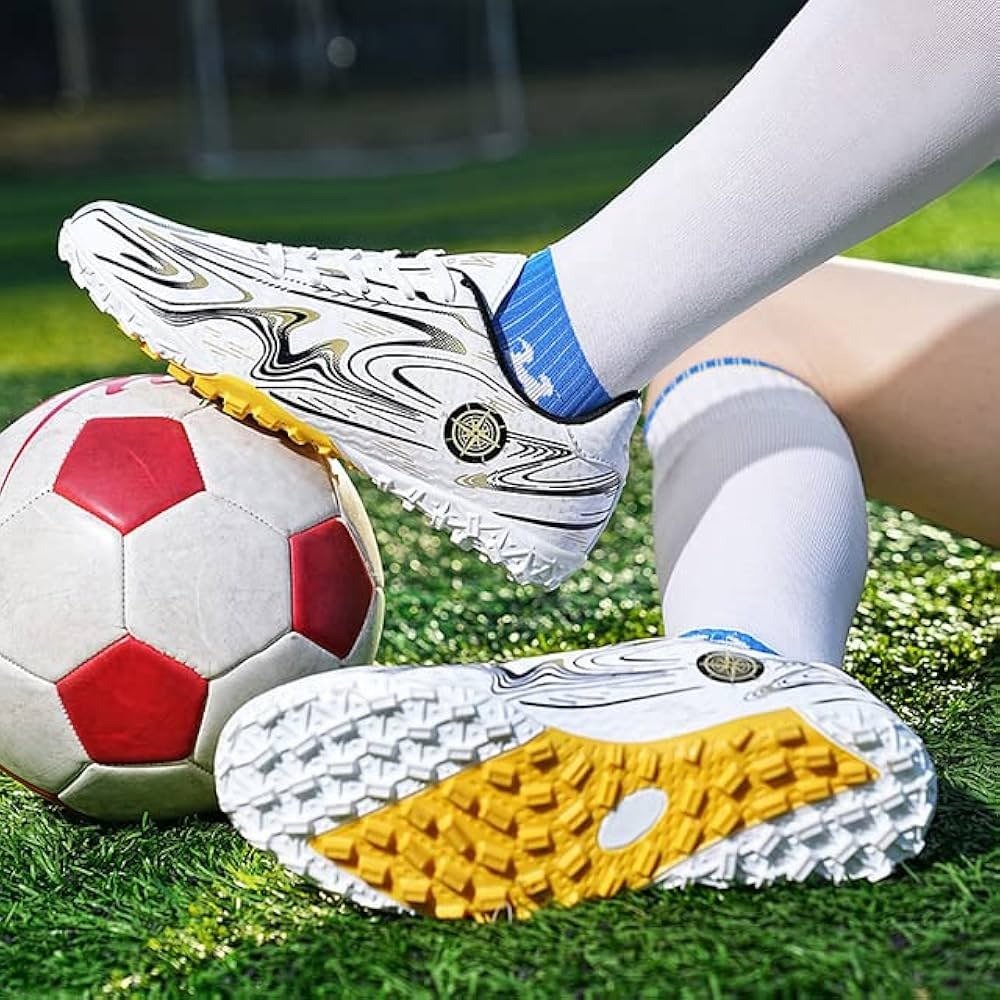
- TF (Turf): many small nubs for older turf or hard ground
Weight and Flex
Youth cleats typically weigh 6–8 oz (170–225 g) per shoe. Lighter shoes help kids accelerate and change direction with less strain.
Closure System
- Laces: best adjustability and lockdown
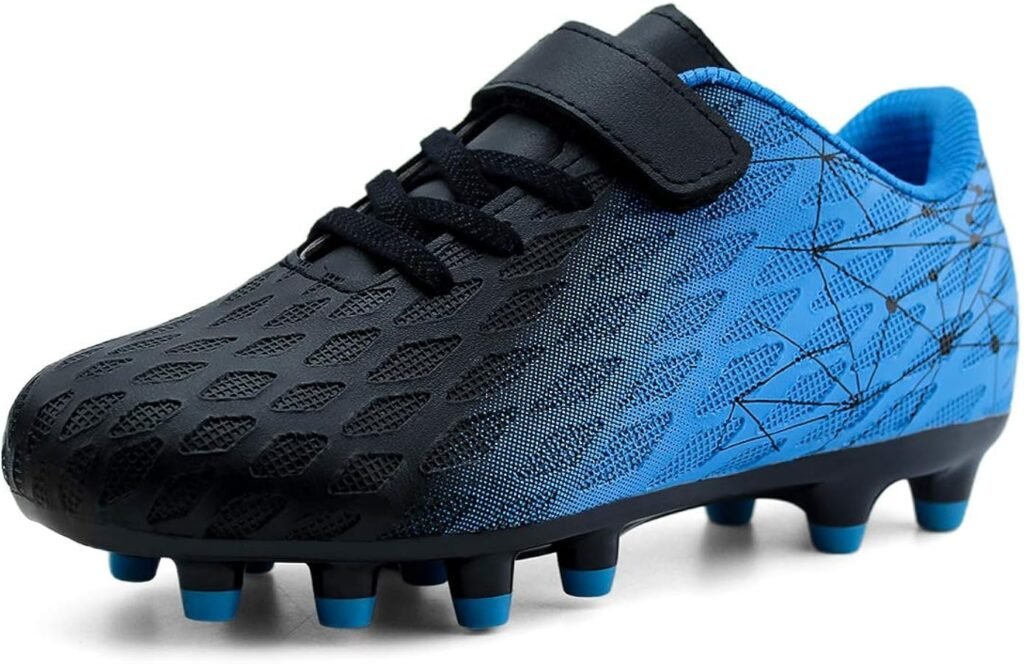
- Lace + strap: quick on/off for younger kids
- Laceless: rare in youth; fit must be spot on
Durability & Value
Kids grow fast look for reinforced toe areas and strong stitching so cleats last a full season without overpaying.
Top Youth Soccer Cleats for 2026 (Editor’s Picks)
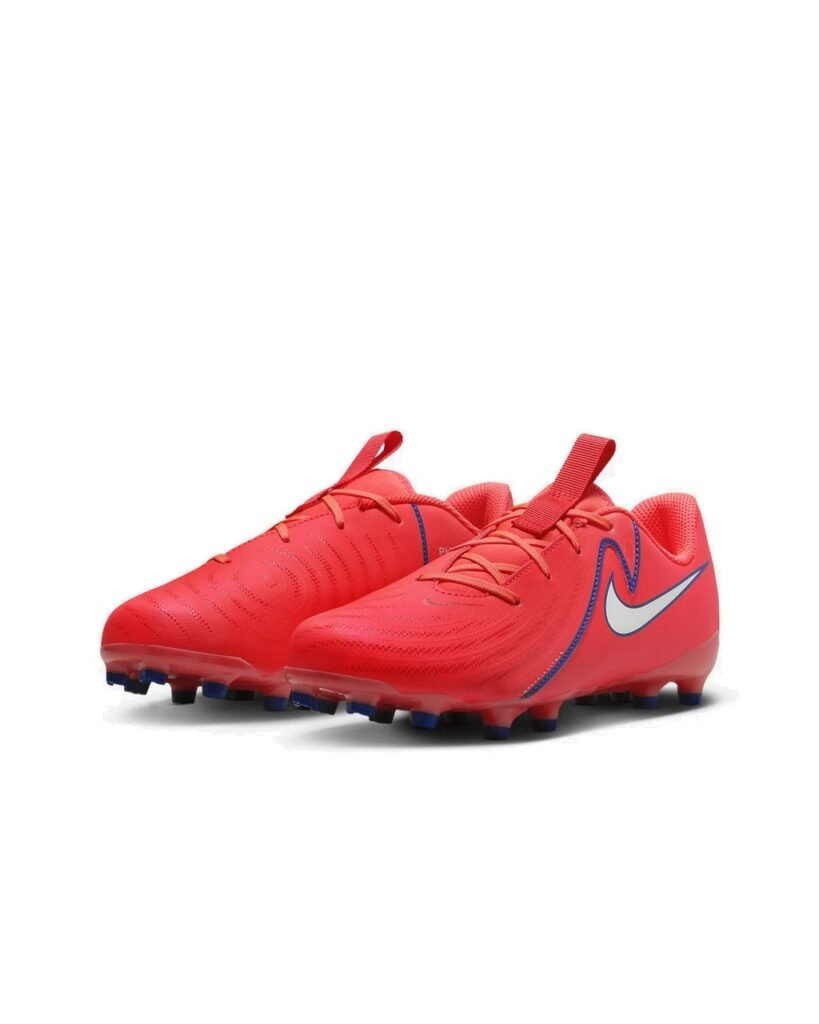
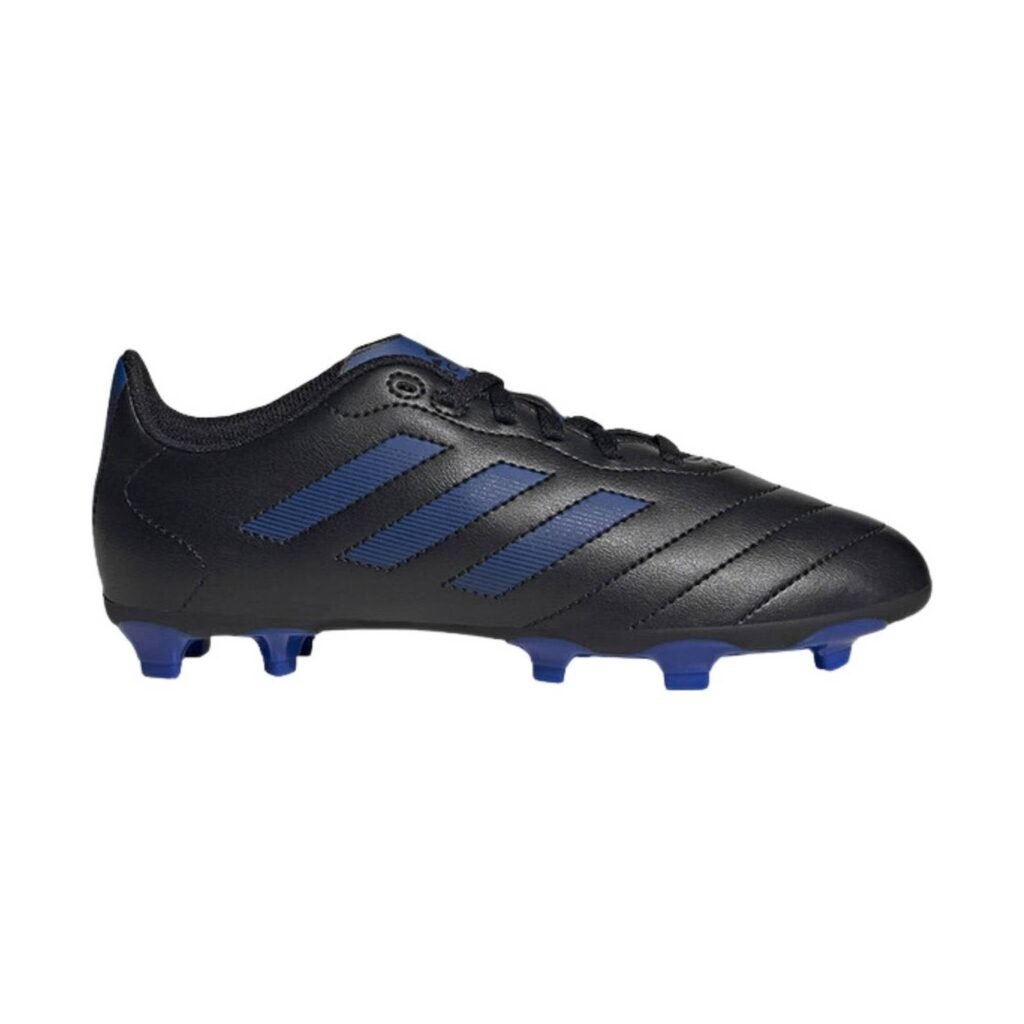
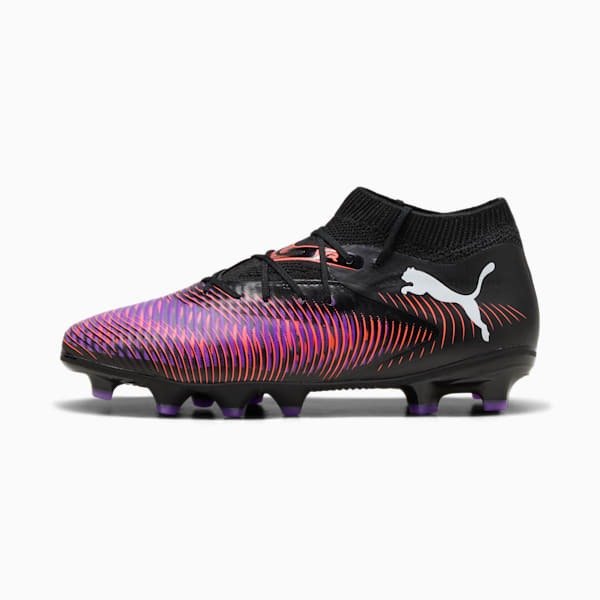
Best Overall: Nike Youth Vapor Academy (FG/AG)
- Why it wins: Lightweight feel, secure fit, excellent traction
- Best for: Speed focused players on grass or turf
- Notable: Textured upper improves ball control
Best Value: adidas Goletto / Predator Club (FG)
- Why it wins: Reliable performance at a budget price
- Best for: Recreational leagues and growing feet
- Notable: Comfortable out of the box
Best for Comfort & Wide Feet: New Balance Furon / Tekela Junior
- Why it wins: Roomier toe box, balanced cushioning
- Best for: Kids who need a wider fit
- Notable: Excellent lockdown without pressure points
Best for Turf Fields: Puma Future Play Turf
- Why it wins: Even traction and soft touch on turf
- Best for: AG/TF surfaces common in youth leagues
- Notable: Flexible upper adapts to foot shape
How to Choose the Right Soccer Cleats for Your Child
- Confirm the primary playing surface.
Choose FG for grass, AG/TF for turf this protects joints and improves grip. - Measure feet at season start.
Kids’ feet can grow ½–1 size per year. Measure both feet; fit the larger one. - Prioritize comfort over brand hype.
A comfortable $60 pair beats an uncomfortable $120 pair every time. - Check lockdown and heel slip.
Have your child jog and cut there should be no heel lift. - Plan for growth (but don’t oversize).
Leave a thumb’s width at the toe; avoid extra space that causes instability.
Pros and Cons: FG vs. AG vs. TF Cleats
| Type | Best Surface | Pros | Cons | Best For |
| FG | Natural grass | Great traction, versatile | Can feel aggressive on turf | Most youth leagues |
| AG | Artificial grass | Joint friendly, durable | Less bite on wet grass | Turf heavy schedules |
| TF | Turf/hard ground | Even pressure, comfort | Less traction on grass | Training & older turf |
FAQs About Youth Soccer Cleats
How often should kids replace soccer cleats?
Most kids need new cleats once per season due to growth. Replace sooner if toes hit the front or studs wear smooth.
Are expensive cleats worth it for youth players?
Not usually. Mid range models deliver similar performance and better value for fast growing feet.
Should youth players use AG cleats on grass?
Occasionally, yes but FG is better for grip on natural grass. Use AG mainly on turf to reduce joint stress.
What’s the best cleat for beginners?
Look for comfortable, durable FG cleats with a soft synthetic upper and simple laces.
Do youth cleats need ankle collars?
No. Ankle collars are optional and don’t replace proper fit or ankle strength.
Expert Tips & Common Mistakes
Expert tips
- Always match studs to the field. This reduces slips and knee strain.
- Break them in early. Wear cleats around the house or during light practice.
- Rotate pairs if possible. One FG and one TF pair covers most seasons.
Common mistakes
- Buying too big “to grow into.” This causes blisters and poor control.
- Ignoring width. Narrow cleats on wide feet lead to pain and early wear.
- Using FG on hard turf weekly. This accelerates stud wear and discomfort.
Conclusion
The best soccer cleats for youth players in 2026 focus on fit, comfort, and surface specific traction not flashy pro features. Start with the right stud type, choose a soft synthetic upper, and prioritize a snug, supportive fit. Brands like Nike, adidas, New Balance, and Puma offer excellent junior options at every price point.
Bottom line: a well fitting, mid priced cleat matched to your child’s field will boost confidence, performance, and enjoyment all season long.