

How to Set Up Effective Soccer Drills Using Training Cones (Coach’s Guide)
Introduction
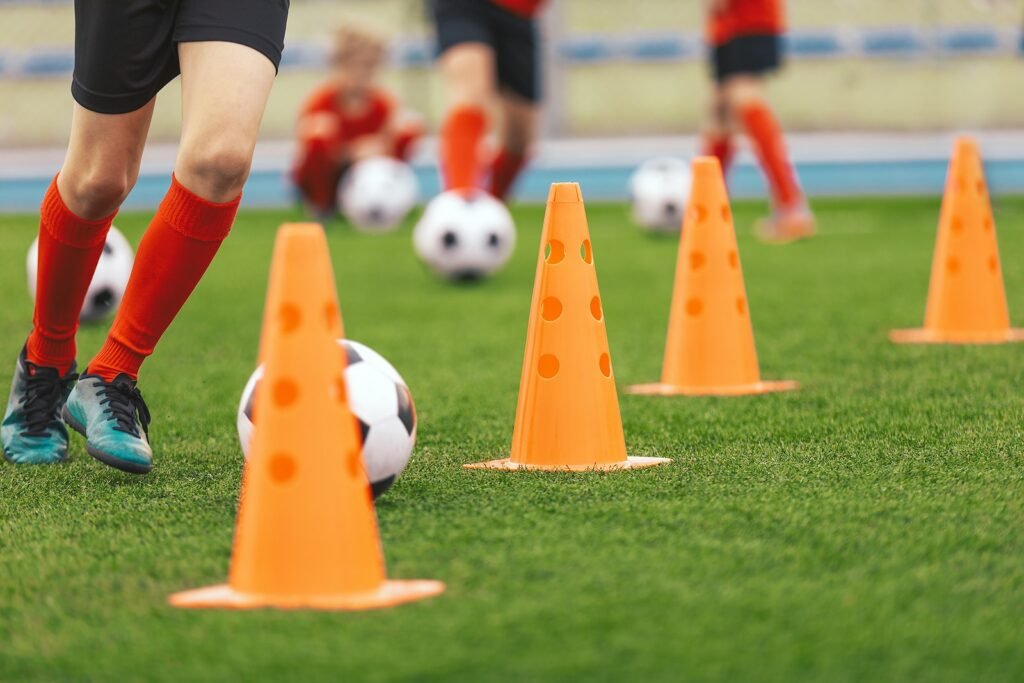
Setting up effective soccer drills using training cones is one of the most efficient ways to improve player technique, movement, and decision making in 2026. Training cones are affordable, portable, and endlessly versatile, making them a staple tool for coaches at every level from grassroots to elite academies. This coach’s guide explains how to design, organize, and run cone based soccer drills that actually translate to match performance.
What Is Setting Up Effective Soccer Drills Using Training Cones?
Setting up effective soccer drills using training cones means strategically placing cones to create game relevant movement patterns that train specific skills such as dribbling, passing, shooting, agility, and spatial awareness.
Unlike unstructured practice, cone based drills:
- Define clear player pathways and decision zones
- Reinforce correct body shape and movement angles
- Allow coaches to control intensity, spacing, and progression
In short, cones turn open space into purposeful learning environments.
Key Features of Effective Cone Based Soccer Drills
Clear Objective per Drill
Every cone drill should train one primary skill.
- Dribbling under control
- Passing accuracy and timing
- Defensive footwork
- Off the ball movement
Rule of thumb: If players can’t explain the drill’s purpose, it’s too complex.
Game Realistic Spacing
Cone distances should reflect real match situations.
- 5–8 yards: close control & quick passing
- 10–15 yards: combination play & movement
- 20+ yards: switching play & long passes
This helps players transfer training habits into games.
Progressive Difficulty
Well designed cone drills scale in challenge.
- Static → moving
- Unopposed → opposed
- Slow tempo → game speed
Progression keeps players engaged and learning.
Visual Simplicity
Cones should guide decisions, not confuse players.
- Use different colors for roles or passing options
- Avoid overcrowding small areas
- Reset cones quickly between reps
Clean layouts lead to faster understanding.
How to Choose the Right Soccer Training Cones
Step 1: Select the Correct Cone Type
Different cones serve different purposes:
- Disc cones: dribbling, passing lanes, footwork
- Tall cones: slalom dribbling, defensive movement
- Marker domes: positional reference points
Step 2: Match Cone Color to Coaching Intent
Color improves reaction and scanning.
- Red = shoot
- Blue = pass
- Yellow = change direction
This builds decision making under pressure.
Step 3: Adjust Cone Spacing by Age Group
- U6–U8: 3–5 yards
- U9–U12: 5–10 yards
- U13+: 10–20 yards
Correct spacing prevents bad habits.
Step 4: Plan Cone Layout Before Training
Pre set cones before players arrive to:
- Maximize ball contact time
- Reduce downtime
- Maintain session flow
Efficient setup = better sessions.
Popular Soccer Cone Drills (With Coaching Purpose)
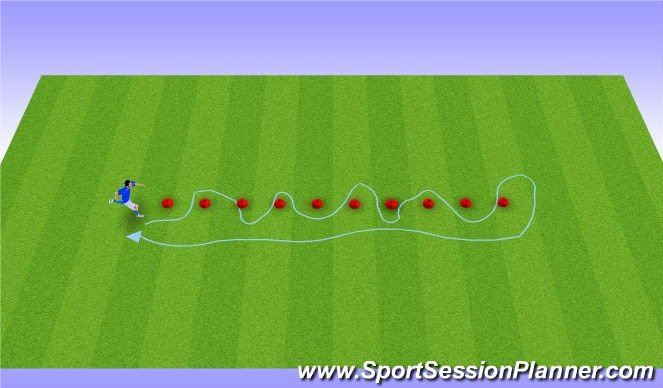
Dribbling Slalom
Best for: Ball control, coordination
- Zig zag tall cones 5–7 yards apart
- Emphasize both feet and body feints
Passing Gates
Best for: Accuracy & communication
- Create cone “gates” 2–3 yards wide
- Players score by passing through gates
Agility Square
Best for: Foot speed & balance
- 4 cones in a square (5×5 yards)
- Players shuffle, sprint, backpedal on command
Shooting Channels
Best for: Finishing accuracy
- Cones create narrow shooting lanes
- Encourages precision over power
Pros and Cons of Cone Based Soccer Drills
| Aspect | Advantages | Limitations |
| Structure | Clear movement patterns | Can become predictable |
| Cost | Inexpensive & durable | No physical resistance |
| Flexibility | Easy to modify | Requires creativity |
| Safety | Low injury risk | Limited contact realism |
Best use: Combine cone drills with small sided games for balance.
FAQs About Soccer Training Cones
How many cones should a soccer coach have?
A well prepared coach should carry 30–50 cones to support multiple drill setups and progressions.
Are cone drills effective for match performance?
Yes when designed with game realism, cone drills improve technique, spacing awareness, and speed of play.
Should cones replace small sided games?
No. Cones teach mechanics; games teach decisions. The best sessions include both.
What age should players start cone drills?
Simple cone drills are effective starting at U6, focusing on fun and basic movement patterns.
Do professional teams still use cones?
Absolutely. Even elite teams under organizations like FIFA use cone drills daily for warm ups, technical work, and tactical patterns.
Expert Tips and Common Mistakes
Coach approved advice:
- Don’t over coach mid drill let players learn through repetition
- Always demo at game speed
- Progress or regress quickly based on player success
- Avoid straight line only drills soccer is multi directional
- End cone drills with a decision or shot
Expert Tip: “If a cone drill doesn’t include scanning or a choice, it’s incomplete.”
Conclusion
Learning how to set up effective soccer drills using training cones allows coaches to maximize every minute on the field. When cones are placed with intention proper spacing, clear objectives, and realistic progression they become powerful tools for developing confident, intelligent players.
Bottom line: Use cones to teach skills, then test them in game like situations. For best results, pair cone drills with small sided play and regular feedback.