
4
Cheap vs Expensive Goalkeeper Gloves is one of the most common debates among goalkeepers in 2026. At first glance, the price gap can look unjustified but when you break down grip, durability, fit, and performance, the differences become clearer. This guide explains exactly what you’re paying for and whether premium goalkeeper gloves are actually worth the investment.
What Is the Difference Between Cheap and Expensive Goalkeeper Gloves?
Cheap goalkeeper gloves typically cost $15–$40 and are designed for casual play, beginners, or training sessions. Expensive goalkeeper gloves usually range from $90–$180+ and are engineered for competitive matches, advanced grip, and professional level performance.
The key difference lies in materials, construction quality, and performance under pressure. While both types protect your hands, only higher end gloves are built to maintain grip in wet conditions, withstand repeated impact, and fit like a second skin.
In short:
Cheap gloves protect your hands. Expensive gloves enhance your performance.
Key Features That Separate Cheap and Expensive Goalkeeper Gloves
Palm Latex Quality (Grip & Control)
Palm latex is the single biggest price driver.
- Cheap gloves: Use basic synthetic or low grade latex. Grip is acceptable when dry but drops quickly in rain or cold.
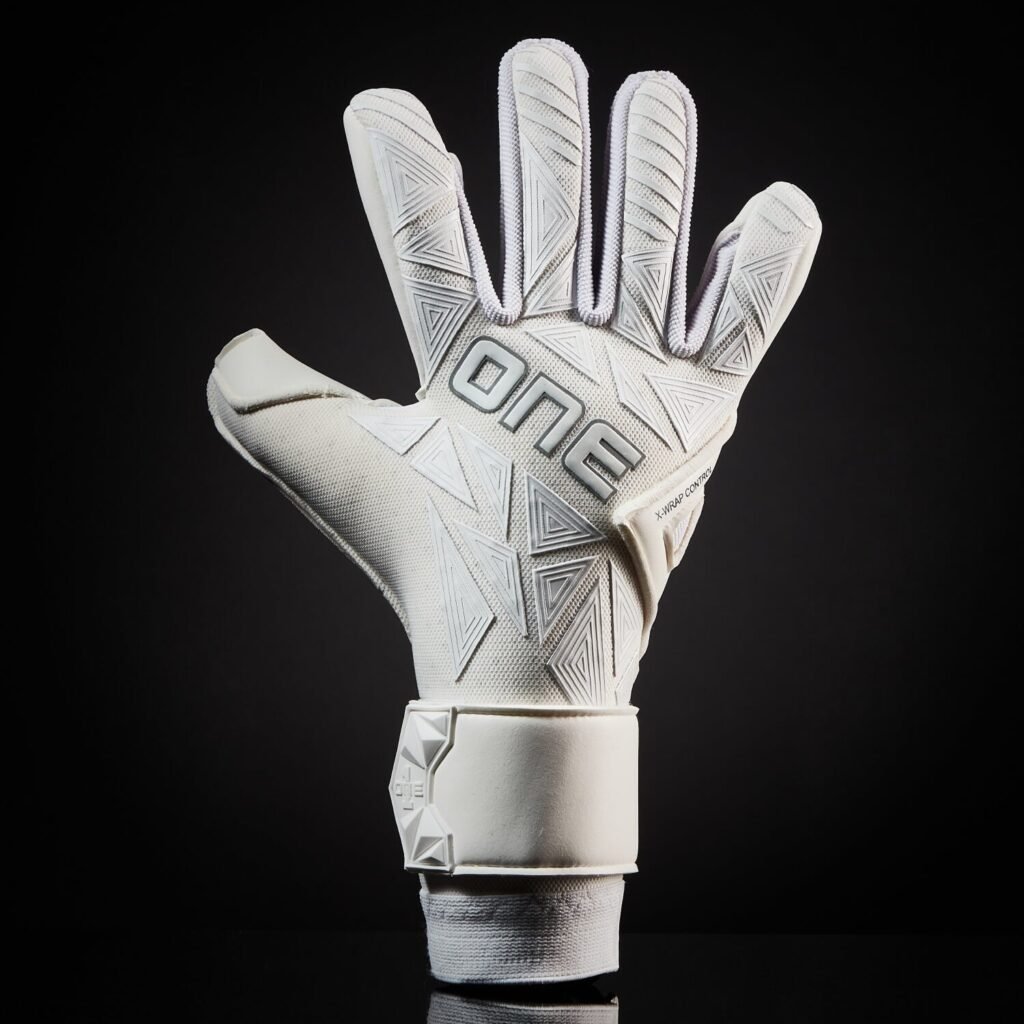
- Expensive gloves: Use premium German or contact latex that delivers elite grip even in wet conditions.
Why it matters: Better latex = more confident catches, fewer rebounds, and improved ball control.
Durability & Longevity
- Cheap gloves: Wear down fast, especially on artificial turf. Palms often peel or harden after a few weeks.
- Expensive gloves: Designed for rotation and match use. Latex wears faster by design to maximize grip, but overall construction lasts longer.
High end gloves trade longevity for performance this is intentional, not a flaw.
Fit, Cut & Comfort
- Cheap gloves: Basic flat cuts, loose finger fit, minimal wrist support.
- Expensive gloves: Ergonomic cuts (negative, roll finger, hybrid), elastic wrist closures, and breathable materials.
A tighter, anatomical fit improves hand feel, reaction speed, and confidence.
Finger Protection Technology
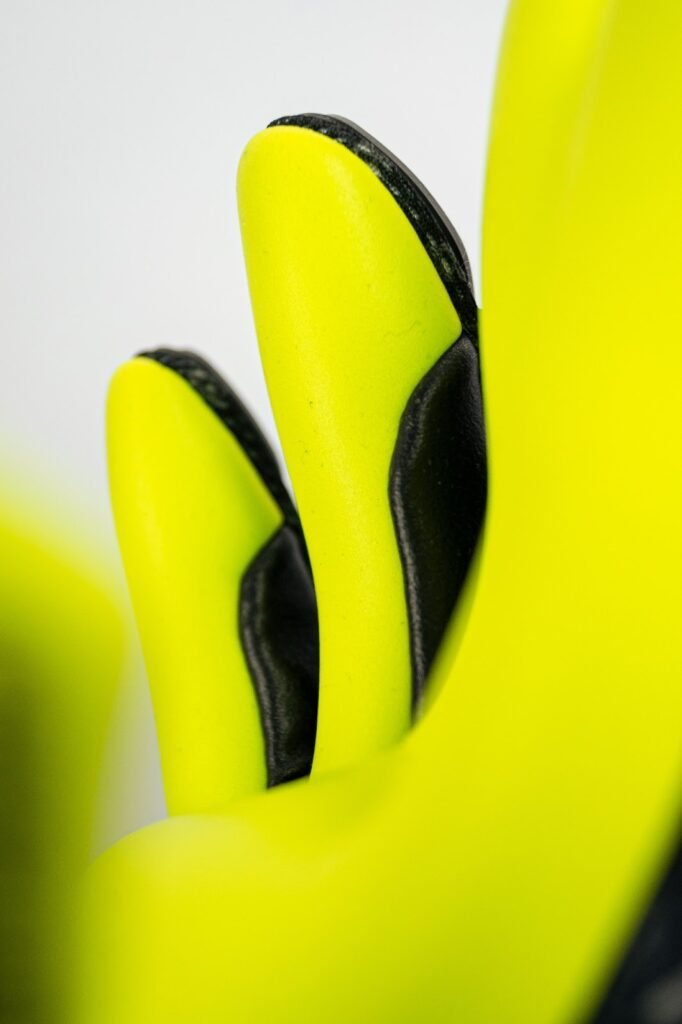
- Cheap gloves: Either no finger protection or stiff, uncomfortable spines.
- Expensive gloves: Removable or flexible finger save systems that protect without restricting movement.
Ideal for goalkeepers returning from injury or playing at high shot velocity levels.
Weather Performance
- Cheap gloves: Grip drops significantly in rain or cold.
- Expensive gloves: Designed to perform consistently in wet, muddy, or cold conditions.
This is where premium gloves clearly outperform budget options.
How to Choose the Right Goalkeeper Gloves for Your Level
- Identify Your Playing Level
Beginners and recreational players don’t need match grade latex. - Decide Training vs Match Use
Many goalkeepers use cheaper gloves for training and premium gloves for matches. - Consider Playing Surface
Artificial turf wears gloves faster budget options may make more sense here. - Check Fit & Cut Type
A snug fit improves control more than brand name alone. - Balance Budget vs Performance
Spend more if performance impacts your confidence or results.
Cheap vs Expensive Goalkeeper Gloves: Side by Side Comparison
| Feature | Cheap Gloves ($15–$40) | Expensive Gloves ($90–$180+) |
| Grip Quality | Basic, dry only | Elite, wet & dry |
| Durability | Short term | Match focused |
| Fit & Comfort | Loose, basic | Precision fit |
| Finger Protection | Minimal | Advanced/removable |
| Best For | Beginners, training | Competitive matches |
Popular Budget vs Premium Goalkeeper Glove Brands
- Budget friendly options: Uhlsport entry models, Mitre gloves
- Mid to premium: Puma goalkeeper lines
- Elite professional gloves: Adidas Predator Pro, Nike Vapor Grip, Reusch Attrakt series
FAQs: Cheap vs Expensive Goalkeeper Gloves
Are expensive goalkeeper gloves better for beginners?
Not usually. Beginners benefit more from durable, affordable gloves while learning technique.
Do professional goalkeepers use cheap gloves?
No. Professionals rely on premium gloves for grip, fit, and match performance.
Why do expensive gloves wear out faster?
High end latex is softer to improve grip, which naturally reduces lifespan.
Can cheap gloves be used in matches?
Yes, but grip consistency especially in wet conditions will be limited.
Is finger protection worth paying extra for?
Yes if you play competitively, face powerful shots, or have previous finger injuries.
Expert Tips & Common Mistakes
Expert Tips
- Use two pairs: One for training, one for matches.
- Wash gloves regularly: Improves grip and lifespan.
- Choose grip over brand: Latex quality matters more than logos.
Common Mistakes
- Using match gloves on artificial turf daily
- Buying gloves too big “to grow into”
- Ignoring weather specific latex types
Pro Tip: A perfectly fitting mid range glove often outperforms a poorly fitted premium model.
Conclusion: Is the Price Difference Worth It?
Yes but only if you need it.
Cheap goalkeeper gloves are ideal for beginners, casual players, and training sessions. Expensive goalkeeper gloves are absolutely worth the money for competitive goalkeepers who rely on grip, control, and confidence during matches.
Best approach:
👉 Train in budget gloves.
👉 Play matches in premium gloves.
That strategy gives you performance where it matters without overspending.