
Agility Poles vs Training Cones: Which Is Better for Dribbling Drills? (2026 Guide)
Agility poles and training cones are two of the most common tools used for dribbling drills in soccer, football, and other field sports. In 2026, coaches and athletes still debate agility poles vs training cones because each tool trains ball control in a slightly different way. This guide breaks down which option is better for dribbling drills based on skill level, training goals, and practice environment.
What Are Agility Poles and Training Cones?
What Are Agility Poles?
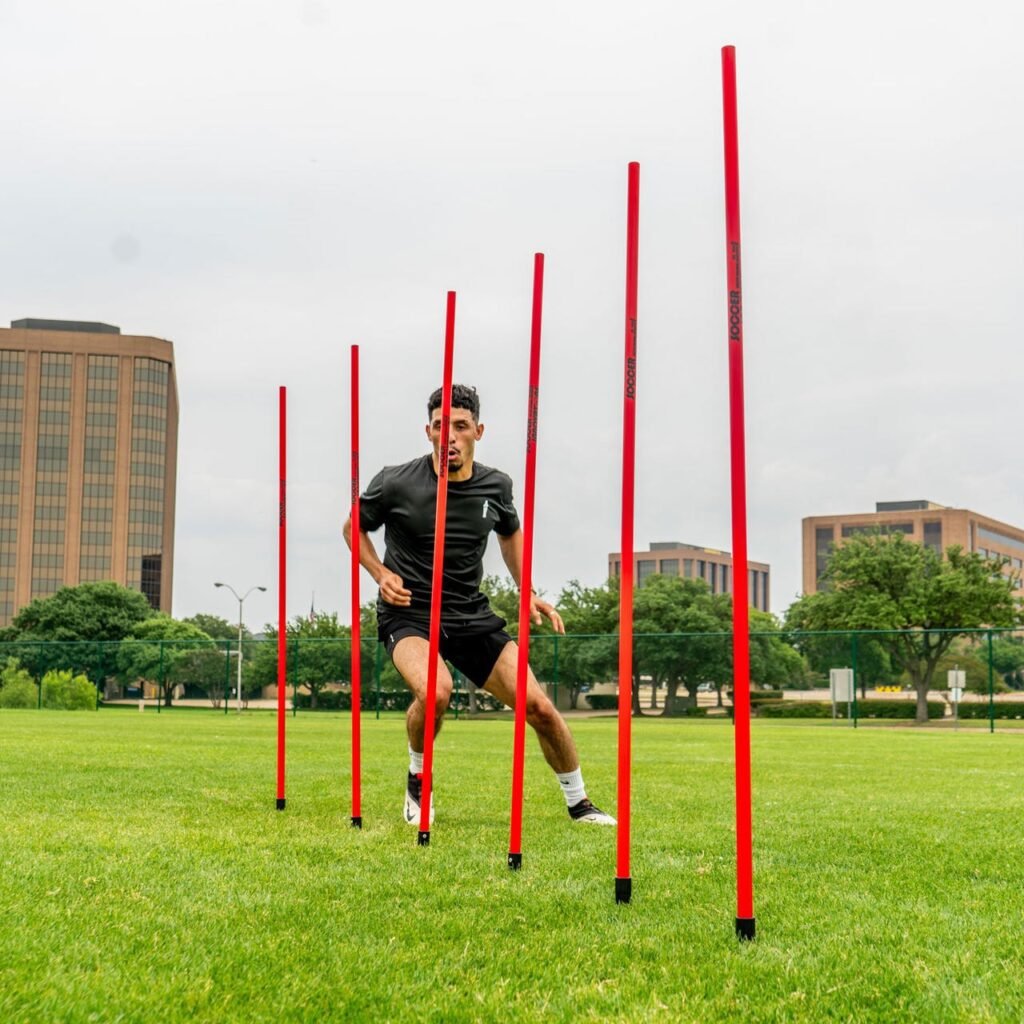
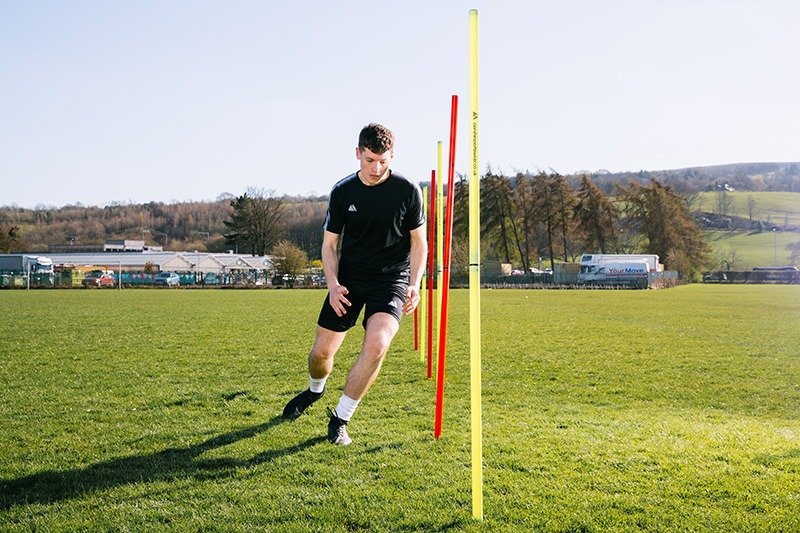
Agility poles are tall, vertical markers usually 5 to 6 feet high designed to simulate defenders or obstacles. They are commonly used for slalom dribbling, change of direction drills, and footwork training.
Key idea: Agility poles force players to keep their head up while dribbling around a standing obstacle.
What Are Training Cones?
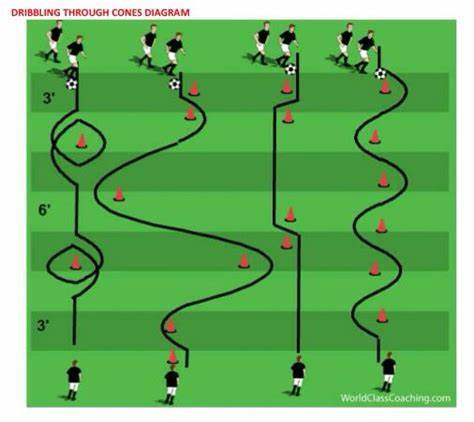
Training cones are low profile ground markers, typically 6–12 inches tall, used to outline dribbling paths, grids, and lanes. They are lightweight, stackable, and extremely versatile.
Key idea: Training cones emphasize close ball control, repetition, and spatial awareness at ground level.
Key Features and Attributes
Agility Poles: Core Characteristics
Agility poles are designed to mimic in game defenders.
- Height: Usually 60–72 inches
- Visual presence: Easy to see from distance
- Movement simulation: Represents a standing opponent
- Setup style: Often inserted into bases or turf spikes
Why this matters for dribbling:
Players must dribble wider around poles, encouraging larger touches and sharper cuts similar to beating a defender.
Training Cones: Core Characteristics
Training cones focus on precision and flexibility.
- Height: 2–12 inches
- Portability: Lightweight and stackable
- Layout options: Lines, boxes, zig zags, gates
- Surface compatibility: Works on grass, turf, indoor floors
Why this matters for dribbling:
Cones promote tight touches and high repetition, which is ideal for beginners and technical ball mastery.
How to Choose the Right Tool for Dribbling Drills
Step 1: Identify the Skill Level
- Beginners: Training cones are better for learning basic dribbling mechanics.
- Intermediate to advanced players: Agility poles add realism and challenge.
Step 2: Define the Training Goal
- Use cones for:
- Close control
- Weak foot dribbling
- Speed dribbling in tight spaces
- Use poles for:
- 1v1 move simulation
- Open field dribbling
- Vision and body positioning
Step 3: Consider Space and Environment
- Small or indoor spaces: Cones are safer and easier to adjust.
- Outdoor fields: Poles provide better visibility and spacing.
Step 4: Factor in Setup Time
- Cones can be set up in seconds.
- Poles require bases or ground insertion, adding setup time.
Agility Poles vs Training Cones: Side by Side Comparison
| Feature | Agility Poles | Training Cones |
| Best for | Game realistic dribbling | Technical ball control |
| Height | Tall (5–6 ft) | Low (ground level) |
| Difficulty | Medium to high | Low to medium |
| Setup speed | Slower | Very fast |
| Portability | Moderate | Excellent |
| Ideal users | Competitive players | Beginners & youth |
Quick takeaway:
- Agility poles are better for realism.
- Training cones are better for repetition and fundamentals.
Pros and Cons for Dribbling Drills
Agility Poles
Pros
- Simulate defenders effectively
- Encourage head up dribbling
- Improve lateral movement and cuts
Cons
- Less portable
- Not ideal for very young players
- Require more space
Training Cones
Pros
- Extremely versatile
- Budget friendly
- Ideal for high rep technical drills
Cons
- Less game realism
- Easier to ignore visually
- Limited challenge for advanced players
Frequently Asked Questions (FAQs)
Are agility poles better than cones for soccer dribbling?
Agility poles are better for advanced soccer dribbling because they simulate defenders and require wider, more realistic movements. Cones are better for foundational skills.
Do youth players need agility poles?
Most youth players benefit more from cones. Agility poles are best introduced once basic ball control and coordination are established.
Can you combine agility poles and cones in one drill?
Yes. Combining cones for entry touches and poles for finishing moves creates a progressive dribbling drill that builds both technique and realism.
Which is safer for indoor training?
Training cones are safer indoors due to their low height and soft material. Poles can be hazardous in tight spaces.
How many cones or poles are needed for dribbling drills?
- Cones: 8–20 for varied layouts
- Poles: 4–8 for slalom or defender simulation
Expert Tips and Common Mistakes
Expert Tips
- Start low, then go tall: Begin with cones before introducing poles.
- Mix spacing: Tight cone gaps train control; wider pole gaps train speed.
- Time the drills: Add a stopwatch to increase intensity and focus.
Common Mistakes
- ❌ Using poles with beginners too early
- ❌ Overcrowding drills with too many obstacles
- ❌ Ignoring weak foot dribbling
Coach’s rule of thumb: Master control with cones first then test decision making with agility poles.
Conclusion
When comparing agility poles vs training cones for dribbling drills, neither tool is universally better they serve different purposes. Training cones are ideal for building technique, repetition, and confidence, while agility poles excel at simulating real defenders and improving game ready dribbling. For the best results in 2026, most coaches should use both tools strategically, progressing from cones to poles as player skill improves.
Strong takeaway:
👉 Cones build the foundation. Poles sharpen the edge.